
⚠️ Trigger Warnings
Readers may wish to be aware that The Woman in Black contains themes of:
Child death
Child loss and bereavement
Grief and trauma
Death of family members
Isolation
Psychological distress
Supernatural horror and ghostly appearances
Mental anguish
Animal lovers may be reassured to know that Spider, Arthur Kipps' dog, is not harmed during the story
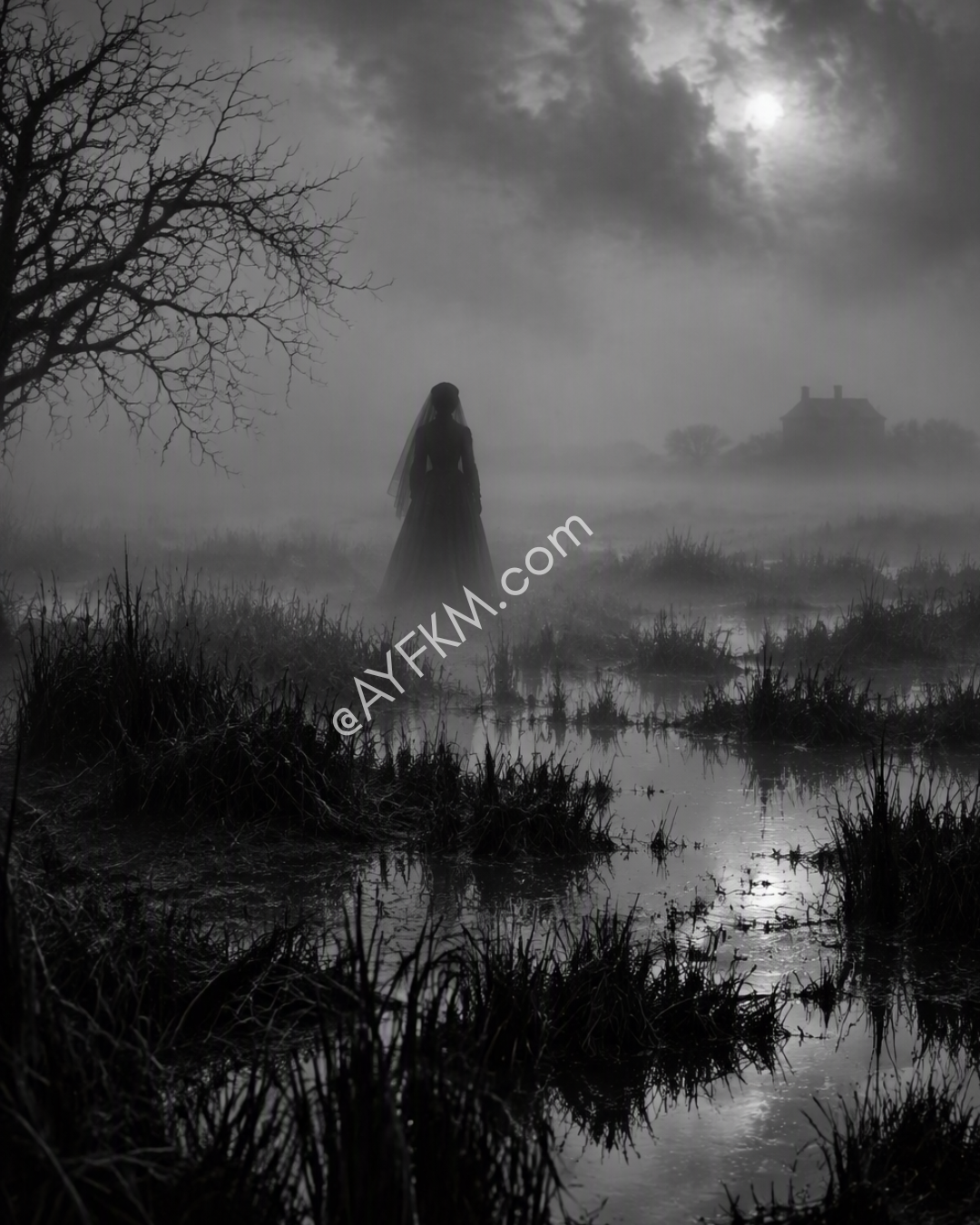
The Woman in Black herself stands as a powerful symbol of unresolved grief and vengeance, her silent presence transforming the landscape into a place of fear, isolation, and supernatural dread.
Few ghost stories enjoy the reputation of The Woman in Black. Since its publication in 1983, Susan Hill's novella has become a cornerstone of modern gothic horror, earning critical acclaim, stage adaptations, a successful film, and a devoted readership that continues to champion it decades later.
With such a strong reputation behind it, I went into this novel expecting an atmospheric, genuinely chilling ghost story that would leave a lasting impression. Unfortunately, my experience could not have been more different.
While I can appreciate the craftsmanship behind the book and understand why it resonates with so many readers, I found the actual reading experience frustratingly slow, emotionally distant, and far less frightening than its reputation suggested. What many readers describe as suspenseful and atmospheric felt, to me, repetitive and uneventful.
This is one of those rare occasions where I can recognise a book's literary strengths while simultaneously admitting that I simply did not enjoy reading it.
Synopsis
Arthur Kipps, a young solicitor in London, is sent to the remote market town of Crythin Gifford following the death of Mrs Alice Drablow, the sole occupant of the isolated Eel Marsh House.
His task appears straightforward: attend the funeral, organise the deceased woman's affairs, and complete the necessary legal work. However, it soon becomes apparent that the locals are deeply uncomfortable discussing either Mrs Drablow or her home.
During the funeral, Arthur notices a mysterious woman dressed entirely in black. Her appearance seems insignificant at first, yet her presence becomes increasingly unsettling as he begins spending time at Eel Marsh House.
Cut off from civilisation by the dangerous Nine Lives Causeway and surrounded by marshland, Arthur gradually uncovers a tragic history that continues to cast a shadow over the area.
What I Liked
Although the novel ultimately wasn't for me, there were aspects I could appreciate.
The Traditional Ghost Story Approach
In an era when horror often relies on graphic violence or shock value, there is something admirable about Hill's commitment to a traditional ghost story.
The novel deliberately echoes the works of Victorian and Edwardian ghost story writers. Readers who enjoy M.R. James-style supernatural tales will likely recognise and appreciate these influences.
Hill exercises considerable restraint throughout the story, allowing ambiguity and suggestion to generate tension rather than relying on explicit horror.
The Novel's Cultural Impact
It's impossible to discuss The Woman in Black without acknowledging its influence.
The book has introduced countless readers to gothic horror and traditional ghost stories. Its enduring popularity speaks for itself, and clearly many readers find the experience far more effective and frightening than I did.
Even though I personally struggled with it, I fully recognise that this novel occupies an important place within modern horror literature.
The Gothic Atmosphere
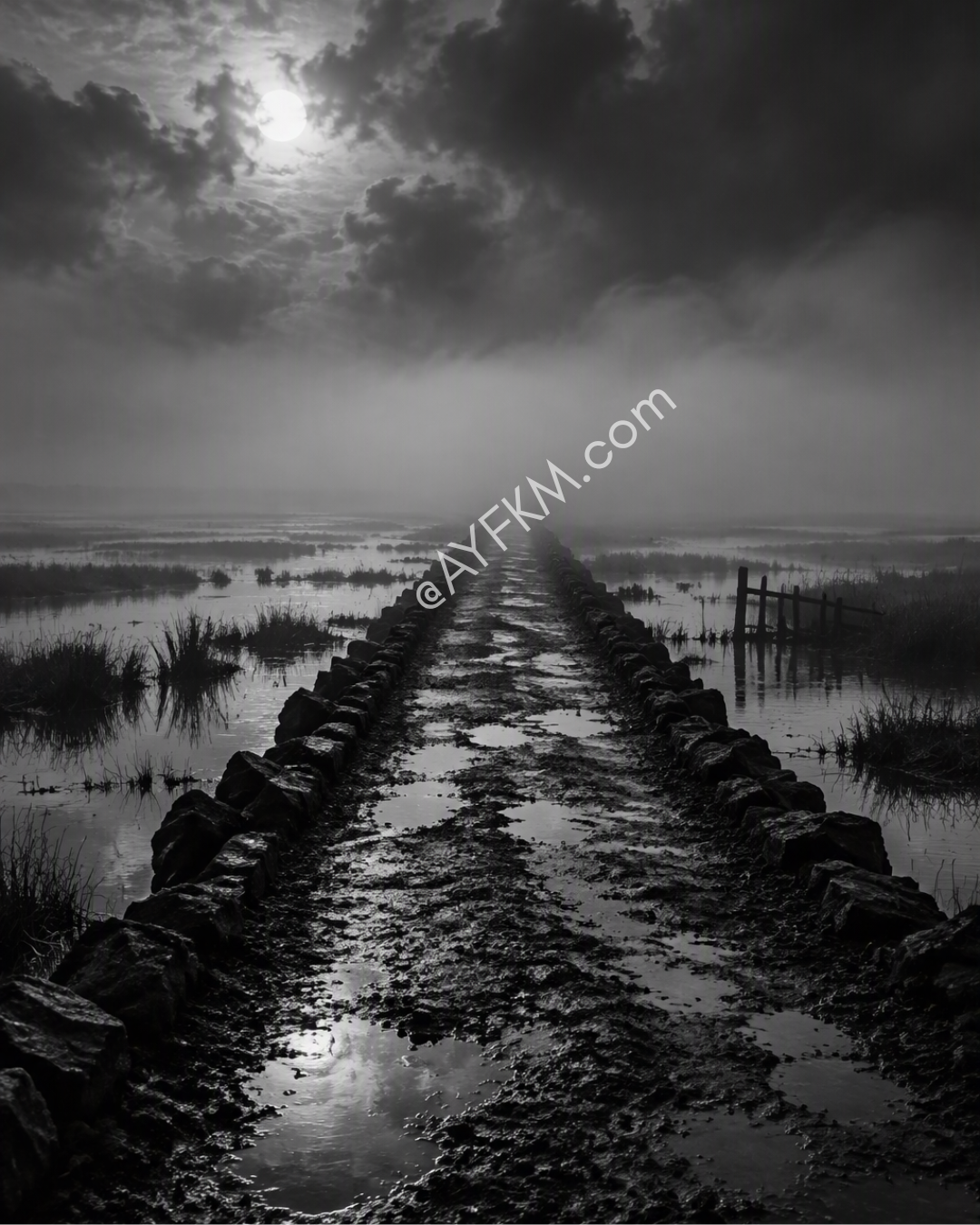
The Nine Lives Causeway is one of the novel's most memorable images, symbolising both Arthur Kipps' physical isolation and the growing sense of unease that defines the story.
Susan Hill clearly understands the conventions of classic gothic horror. The isolated house, the encroaching fog, the vast marshes, and the constant feeling of separation from the outside world all contribute to an unmistakably eerie setting.
Eel Marsh House itself is arguably the strongest element of the novel. It feels exactly as an old haunted house should feel: remote, lonely, and unsettling.
Even when very little is happening, the setting creates a lingering sense of unease.
I also appreciated Spider, Arthur's dog, whose presence occasionally provides a welcome sense of warmth and companionship amidst an otherwise bleak and isolated narrative. Readers who are particularly sensitive to animal harm in fiction can rest assured that Spider comes through the story unharmed.
What Didn't Work for Me
This is where my experience significantly diverged from the general consensus.
The Pacing Felt Extremely Slow
Slow-burn horror can be incredibly effective when each chapter steadily builds tension and develops the mystery.
Unfortunately, I found The Woman in Black to be slow without offering enough payoff.
Large portions of the novel felt repetitive, with scenes often revisiting the same feelings of isolation and foreboding without significantly advancing either the plot or the mystery. While I understand that this gradual accumulation of dread works for many readers, I found myself waiting for something substantial to happen.
By the time major revelations arrived, I felt more relieved than emotionally invested.
I Didn't Find It Scary
Perhaps my biggest disappointment was that I simply wasn't frightened.
This is, of course, highly subjective. Horror affects every reader differently. What terrifies one person may leave another completely unmoved.
For me, however, the novel's scares never landed.
The repeated appearances of the Woman in Black were clearly intended to create mounting tension, but rather than feeling increasingly terrified, I found myself largely indifferent. The atmosphere was there, but the fear wasn't.
Given the book's reputation as one of the most chilling ghost stories ever written, I expected far more emotional impact than I actually experienced.
The Emotional Distance
Another issue was my lack of connection with Arthur Kipps.
As the narrator and central figure, Arthur spends most of the novel reacting to events rather than actively shaping them. While this approach helps position him as an ordinary man encountering extraordinary circumstances, it also created an emotional barrier for me.
I never felt particularly invested in his journey.
Without a strong emotional attachment to the protagonist, many of the novel's dramatic moments lost some of their power.
Atmosphere Over Story
There is no denying that Susan Hill excels at creating atmosphere.
However, I often felt as though the atmosphere became the story.
The novel spends a great deal of time establishing its mood, describing the landscape, and reinforcing the sense of isolation. While these elements are undoubtedly important, I found myself craving more plot development, more character depth, and more substantial revelations.
By the end, I admired the atmosphere but remained unconvinced by the overall narrative experience.
Themes and Writing Style
To Hill's credit, the novel explores several interesting themes.
Grief sits at the centre of the narrative, particularly the devastating consequences of loss left unresolved. The story also examines isolation, guilt, trauma, and the ways in which past tragedies continue to influence the present.
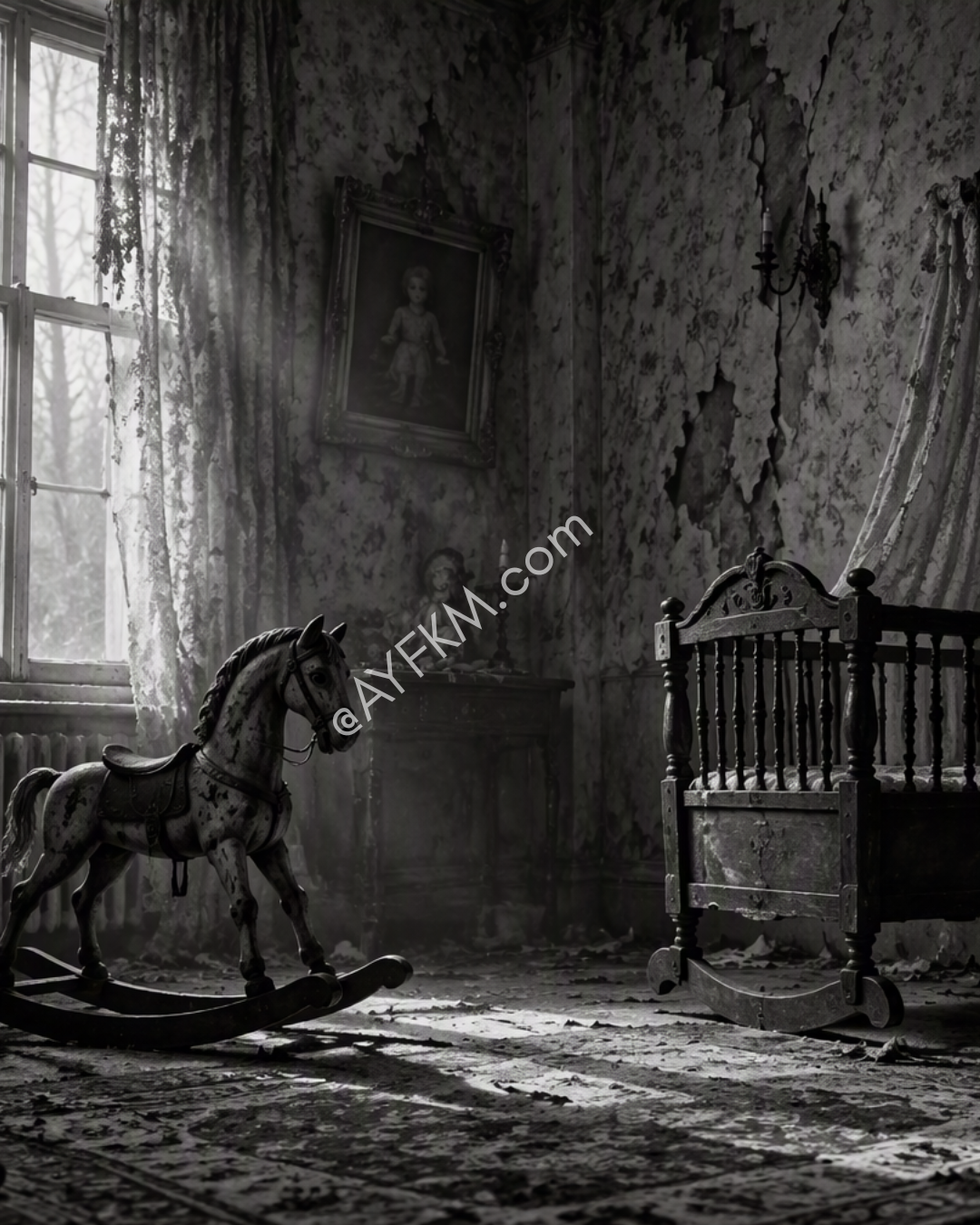
An abandoned nursery reflects the novel's haunting atmosphere, where loss, memory, and the lingering presence of the past cast a shadow over every corner of Eel Marsh House.
These ideas provide a thematic foundation that elevates the novel above a simple haunted house story.
Hill's writing style is elegant and deliberate, often drawing inspiration from older literary traditions. Her prose is polished and descriptive, and readers who enjoy classic gothic fiction will likely find much to admire.
Personally, however, I found the style somewhat detached.
The formal narration added to my feeling of distance from both the characters and the events unfolding around them. Rather than becoming immersed in the story, I often felt like I was observing it from afar.
Again, this is very much a matter of personal preference rather than an objective criticism of the author's ability.
Why So Many People Love It
One of the reasons I hesitate to be overly critical of The Woman in Black is that I can genuinely see why it works for so many readers.
If you enjoy:
Classic gothic fiction
Atmospheric horror
Traditional ghost stories
Slow-building suspense
Victorian-inspired storytelling
Haunted house settings
Then there is every chance this novel will be much more successful for you than it was for me.
Many readers value the precise qualities that I struggled with. The slow pacing, careful restraint, and emphasis on mood are often cited as the book's greatest strengths.
My disappointment stemmed largely from the gap between my expectations and the experience I actually had.
I went in anticipating a deeply unsettling horror novel and instead found a restrained gothic ghost story that never quite managed to engage me.
Final Verdict
I can appreciate why The Woman in Black has become such a beloved and influential work of horror fiction. Susan Hill clearly possesses a strong understanding of gothic storytelling, and her ability to craft an eerie atmosphere is undeniable.
Unfortunately, atmosphere alone wasn't enough to carry the novel for me.
The slow pacing, lack of emotional connection, repetitive structure, and surprisingly limited sense of fear left me feeling detached from the story throughout much of the reading experience. Despite recognising its literary strengths, I never found myself invested in Arthur's journey, nor did I feel genuinely frightened by the horrors unfolding around him.
This is ultimately a case of a critically acclaimed novel simply not connecting with me as a reader.
While I respect what Susan Hill was trying to achieve, The Woman in Black serves as a reminder that even the most celebrated classics won't resonate with everyone.
Rating: ★☆☆☆☆ (1/5)
Recommended for: Readers who enjoy traditional gothic ghost stories, atmospheric horror, and slower-paced supernatural fiction.
Goodreads Review can be found here: Goodreads
Rating: ⭐☆☆☆ (1/5) Atmospheric and emotionally layered, but not quite nightmare fuel for the horror-hardened.
📚 Call to Action
If you’ve got horror book recommendations that could genuinely rattle a horrorcore veteran, I want them. Indie authors welcome, bonus points for originality and psychological depth. Just a heads-up: I tend to avoid books with repeated animal abuse. My TBR is hungry, and I’m ready to feed it something truly terrifying.